
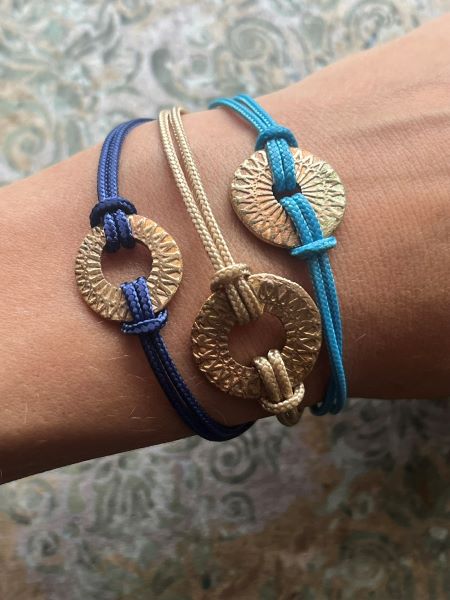
Base metal clay, particularly copper and bronze, has opened up new possibilities for jewellery makers looking to experiment, scale ideas and keep costs under control.
Unlike traditional sheet and wire techniques, metal clay allows you to work in a soft, pliable form. It can be shaped, textured and refined using simple tools, before being fired to reveal solid metal. That transformation remains one of the most rewarding parts of the process
What Makes Base Metal Clay Different?
Base metal clay contains fine metal particles mixed with an organic binder. While working, it behaves much like traditional clay. Once fired, the binder burns away, leaving behind pure metal.
There is no need for complex soldering setups to get started, making it an appealing option for beginners as well as a useful addition for more experienced jewellers.
Copper and bronze are the most widely used base metal clays, each offering distinct visual qualities:
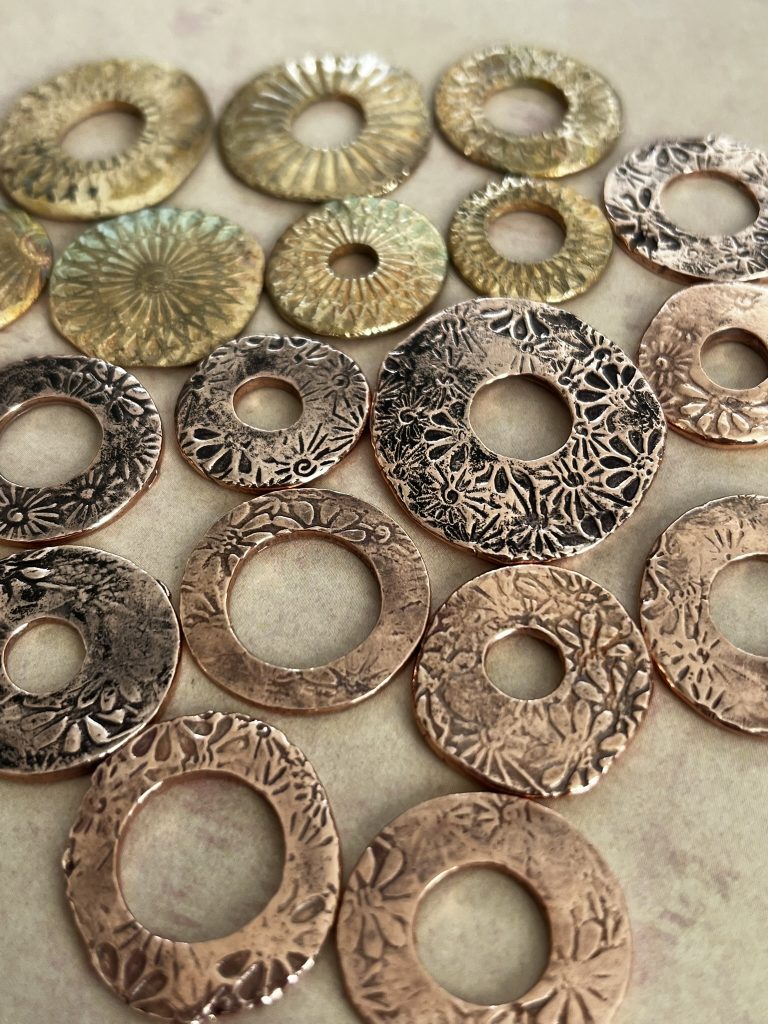
- Copper delivers warm red and earthy tones that can be bright or deeply oxidised
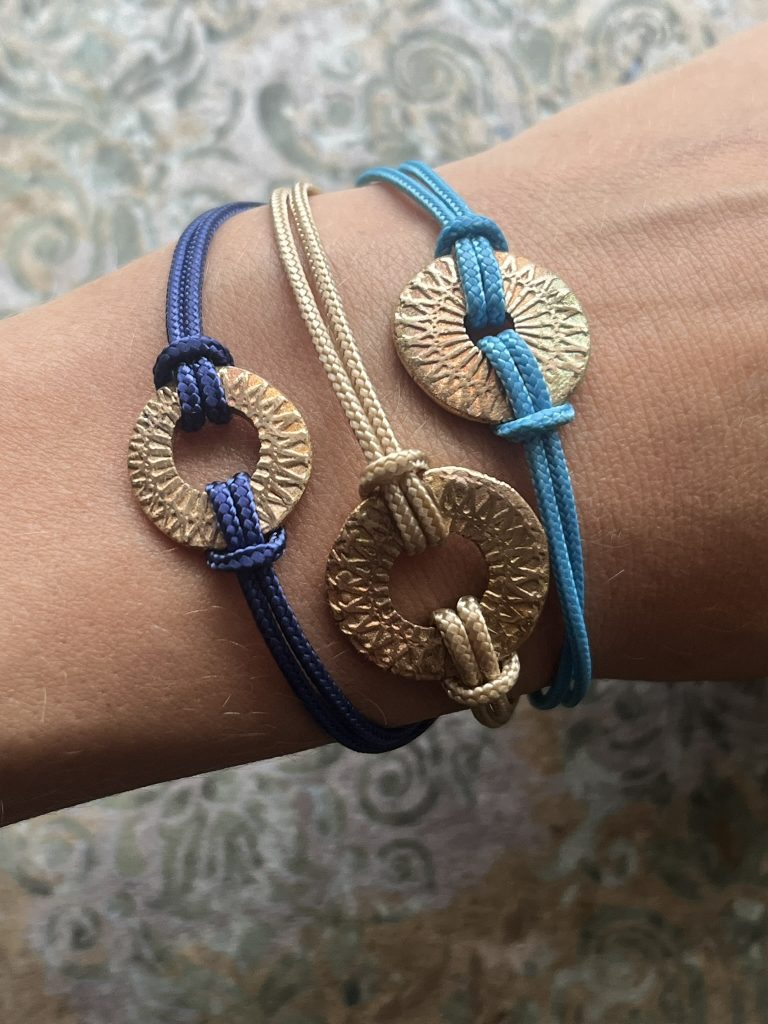
- Bronze offers a golden finish, often compared to antique gold
- Combining both creates contrast and depth within a single design
A More Affordable Way to Work with Metal
One of the biggest drivers behind the rise of base metal clay is cost.
As silver prices continue to fluctuate, copper and bronze provide a more accessible alternative. This allows you to:
- Experiment more freely without material pressure
- Produce larger or more design-led work
- Offer finished jewellery at a more accessible price point
This opens up opportunities to introduce new ranges or attract customers who may not yet be ready to invest in precious metals.
Detail & Texture
Base metal clay is particularly well suited to texture. You can press, carve, stamp or imprint directly into the clay surface before firing. Once finished, the way copper and bronze take on texture enhances every detail, creating depth and contrast across the design.
This makes it ideal for:
- Organic, tactile designs
- Layered or mixed metal styles
- Pieces where surface detail is the main feature
Unlike highly polished silver, these metals embrace variation and character, which adds to their appeal.
Carbon Firing Kilns
Working with copper and bronze does introduce an extra step compared to some silver clays.
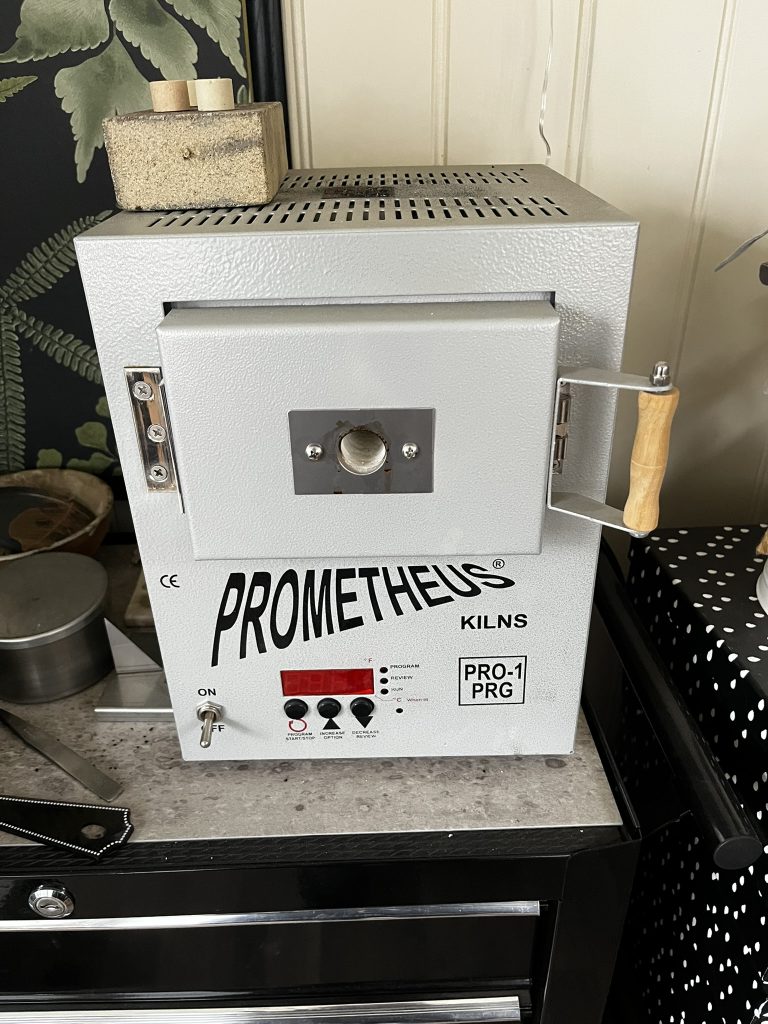
Both metals typically require firing in a kiln using activated carbon to prevent oxidation. While this may sound technical, modern kilns have made the process far more straightforward and repeatable.
View our range of kilns here.
An Addition to Your Range
For jewellers already working in silver or gold, base metal clay offers a way to expand without compromising on quality.
It can be used to:
- Introduce a more accessible product line
- Experiment with larger or more sculptural designs
- Add contrast through mixed metal collections
Copper and bronze also appeal to customers drawn to warmer tones, offering something visually distinct from traditional precious metals.
Base metal clay is not just a substitute for silver clay. It stands on its own as a versatile, creative and commercially relevant material.
Whether you are new to jewellery making or looking to expand your existing range, copper and bronze clay offer a balance of affordability, flexibility and visual impact.
Sometimes, the most effective way to develop new ideas is to change the material you start with.
Harvey Wedgbury